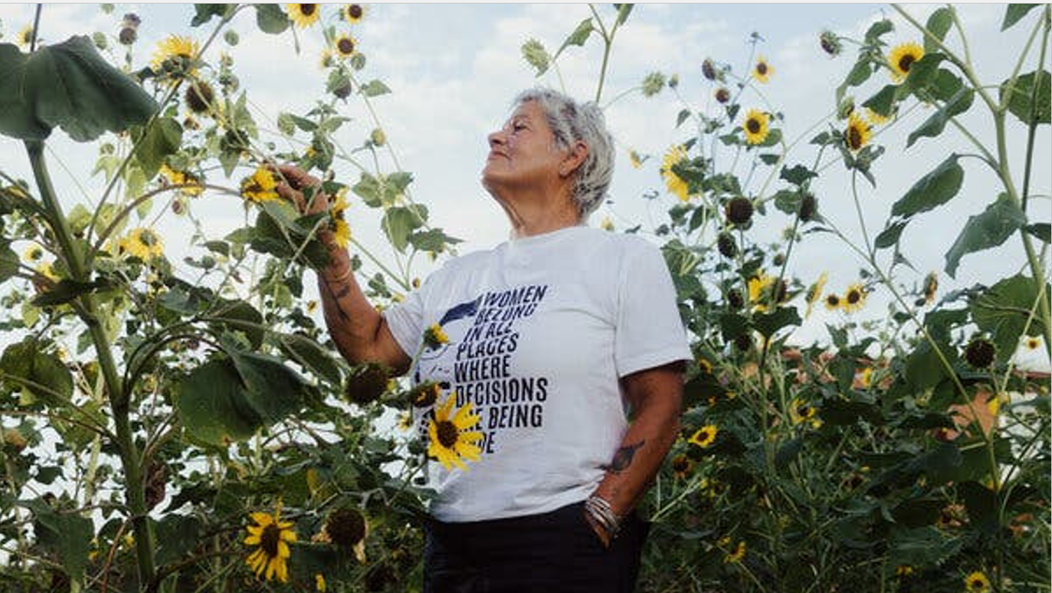
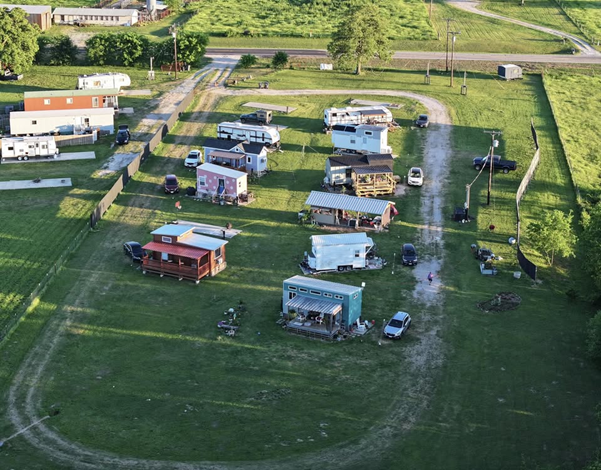
But what makes the place truly special is not just the homes themselves. It is the way the women live together every day. They drink coffee in the open-air pavilion, share meals, give each other rides to appointments, and help one another recover after surgery. And when problems come up, they sit down, talk things through, and try to part without bitterness.
The Bird’s Nest isn’t burdened by the rules and regulations of similar gated communities, she said.
“I don’t like structure, and I don’t like rules and regulations, so everything flows pretty easily. We meet usually in the evenings for a cocktail and just catch up for the day.”
Women at the Bird’s Nest can live comfortably on a modest income, she said.
“I mean, maybe $US20,000, $US30,000 a year if you really wanted to just have a nice life and not spend and, you know, go on vacations.”
She believes living communally in a small social group will keep the medical bills at bay.
“If someone gets to the point where they can’t move around too much, we’re ready to jump in and help to a certain extent. And then, you know, home health care. We have home health care here that can come out like three times a week,” she said.
“So, we’ve talked about that. We’re going to do whatever we can to enable people to stay here as long as they possibly can.”
Now, more than 500 women have already applied for one of the 14 spots. And in that way, The Bird’s Nest has become more than a housing idea — it has become an example of how one person’s decision can create comfort, dignity, and community for many others.