Older Australians could help ease the housing crisis – and improve their own quality of life – if outdated pension rules were reformed, according to a new report by the Retirement Living Council (RLC).
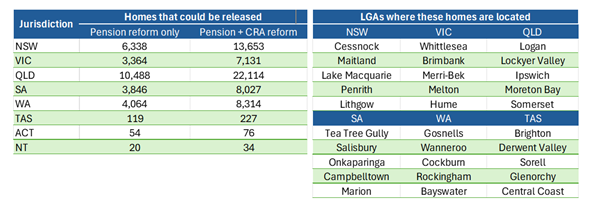
The report, Removing Rightsizing Roadblocks, highlights how simple changes to government policy could unlock more than 59,000 homes currently held by older homeowners who are reluctant to downsize due to financial penalties.
‘Rightsizing’ – moving from a large family home into a smaller, more manageable place like a retirement village – is something many older Australians want to do. But strict pension asset limits and limited access to rent assistance are making that move financially unviable for many.
The RLC is now calling on political leaders to commit to two key reforms ahead of this week’s Federal Election on 3 May:
- Increase the Age Pension asset threshold for single homeowners from $314,000 to $550,000 (with an equivalent increase for couples), allowing more people to rightsize without losing pension benefits.
- Remove the outdated $252,000 purchase cap that prevents retirement village residents from accessing Commonwealth Rent Assistance – a benefit already available to seniors in other types of housing, like land lease communities.
RLC Executive Director Daniel Gannon said these changes could encourage more than 94,000 older Australians to make the move into retirement communities, freeing up tens of thousands of larger homes for growing families.
“Right now, outdated rules are trapping older Australians in homes that no longer suit their needs,” Mr Gannon said.
“These are people who are asset-rich but income-poor, and are often stuck paying for homes they can’t manage – while younger families are left struggling to find enough space.”
The report, developed with aged care consultants Ansell Strategic, found the average home that would be released through rightsizing is valued at $825,000, typically featuring three or four bedrooms in outer suburbs – ideal for family buyers.